How to read an EV label beyond the range number
Use energy per 100 miles to compare consumption, then separate the label estimate from the drive you actually plan.
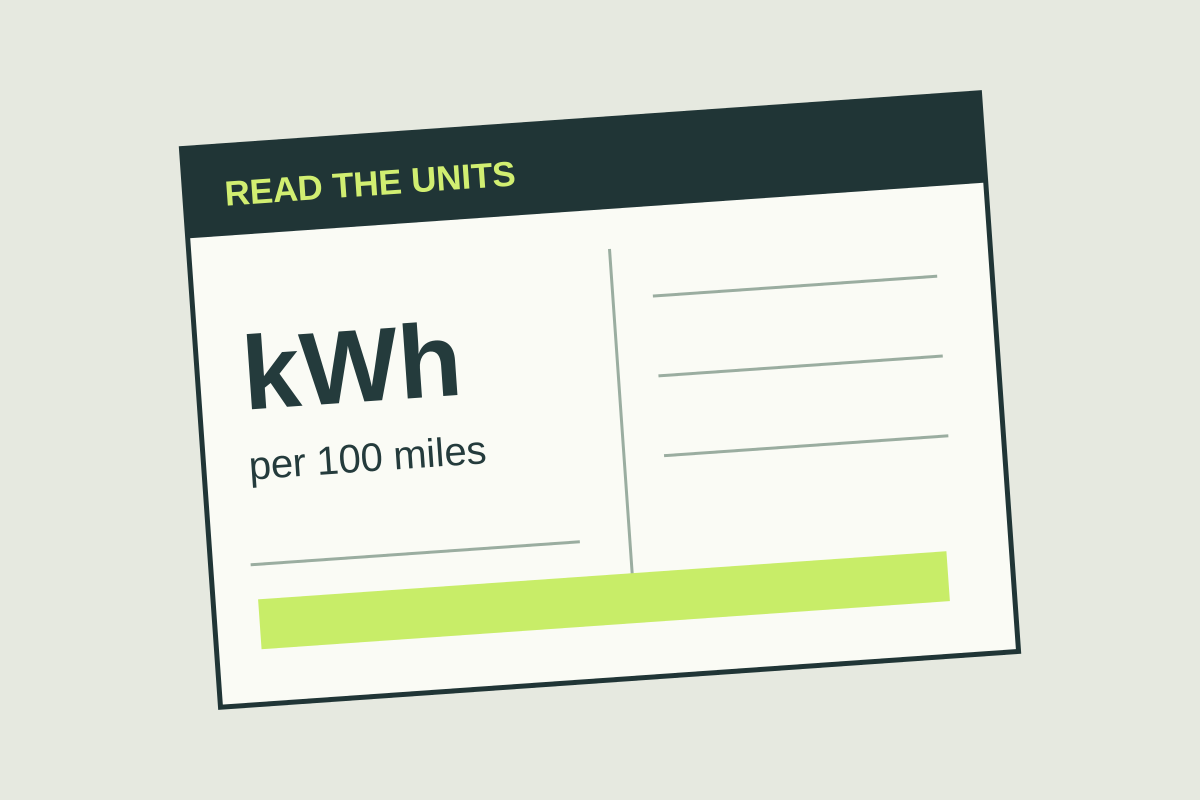
Two cars can advertise similar range while using different amounts of energy. The range figure alone cannot tell you which one needs less electricity for the same distance.
On a US EV label, read the unit beside each number before comparing them.
Compare consumption over the same distance
Imagine one label says 25 kWh per 100 miles and another says 30. Over that stated distance, the second figure represents 5 kWh more energy. These are invented numbers for the comparison, not ratings for two actual cars.
EPA uses kWh per 100 miles to describe estimated electricity consumption. Lower means less electricity for that distance on the label’s basis. Its label explanation also distinguishes this measure from MPGe, which expresses a gasoline energy equivalent. MPGe is not miles per battery charge.
Keep range separate from consumption
A trip planner needs to answer a different question: can this car cover the next leg in these conditions? A consumption comparison does not answer it without knowing the energy available for that leg.
For example, a hypothetical car with 20 kWh available and a constant use of 25 kWh per 100 miles gives 80 miles by arithmetic. That calculation leaves no reserve and assumes constant consumption. It is not a trip recommendation.
Check the assumptions behind the dollar figure
An annual cost printed on a label uses assumptions about distance and energy price. EPA explains those assumptions in the label’s fine print. Your mileage and electricity rate can differ, as can actual consumption.
When saving a vehicle comparison, record the model year, trim and label alongside the numbers. For your own spending estimate, work from the energy you expect to buy and your actual rate. The electricity cost example shows that calculation without treating the label as your bill.