kW and kWh: the two numbers behind a charge
One measures power, the other energy. A short calculation explains what charger ratings can tell you and where they stop.
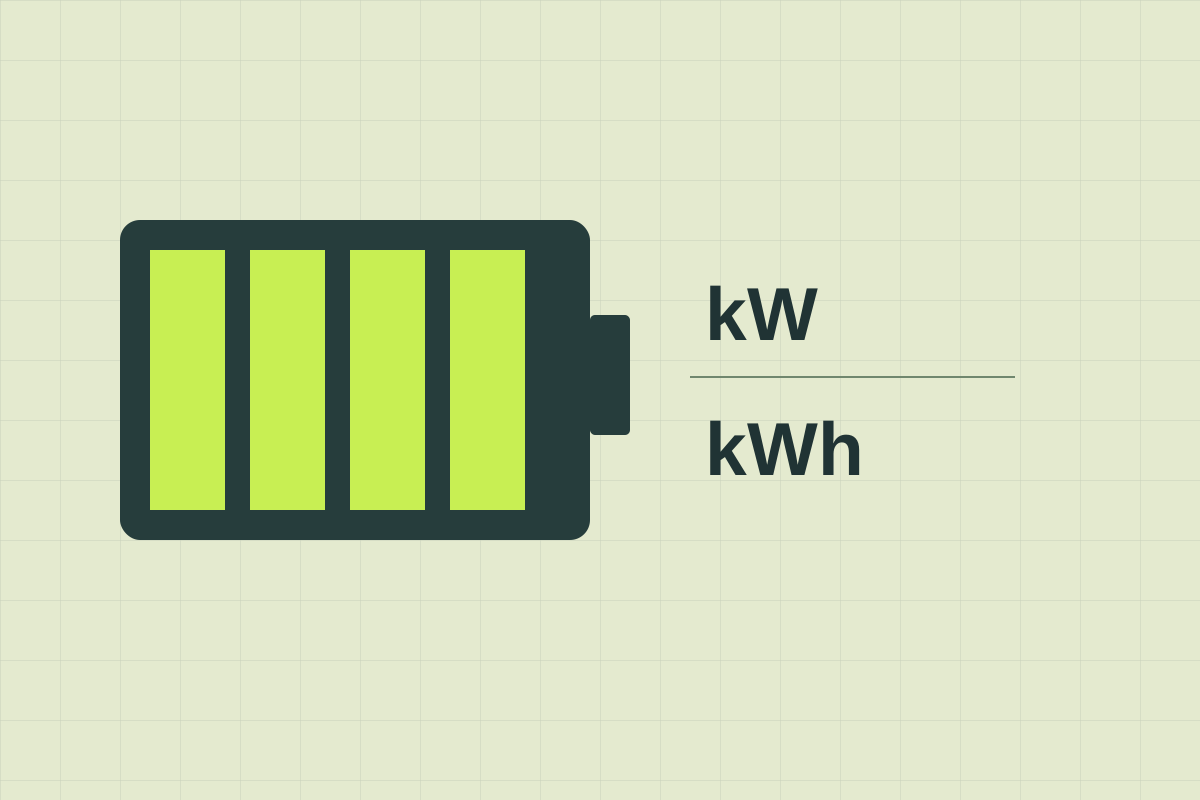
A charger says 7 kW. A battery says 60 kWh. Those numbers describe different things: how fast energy can move and how much energy can be stored.
Keep the units attached when comparing cars or charging stops. The letters change the question you are answering.
kW describes power at a moment
A steady 7 kW connection supplies 7 kWh over one hour. Over two hours, that would be 14 kWh at the same measurement point.
Multiply power by time:
7 kW × 2 hours = 14 kWh
This is a worked example with constant power. It does not account for energy lost between the supply and the battery. It also does not predict a car’s charging curve.
kWh describes an amount of energy
An illustrative 60 kWh usable battery at half its usable capacity holds about 30 kWh. That is an amount, not a charging speed.
For a shopping comparison, write the battery capacity and charging power in separate columns. Check whether the quoted capacity is total or usable in the manufacturer’s specifications. Do not silently treat them as the same number.
The charger rating is not a session average
A 150 kW label does not establish that a car will receive 150 kW throughout a stop. The vehicle’s limits, battery charge level and temperature affect charging. The equipment matters too. DOE describes these variables in its charging overview.
Dividing energy by a peak rating therefore gives an idealized calculation, not a reliable stop duration. Compare a manufacturer’s stated charging window and its test conditions when a real journey depends on the answer.
On your next receipt, find the kWh delivered. Then compare it with the time spent connected. You now have two observed numbers instead of a peak label.